
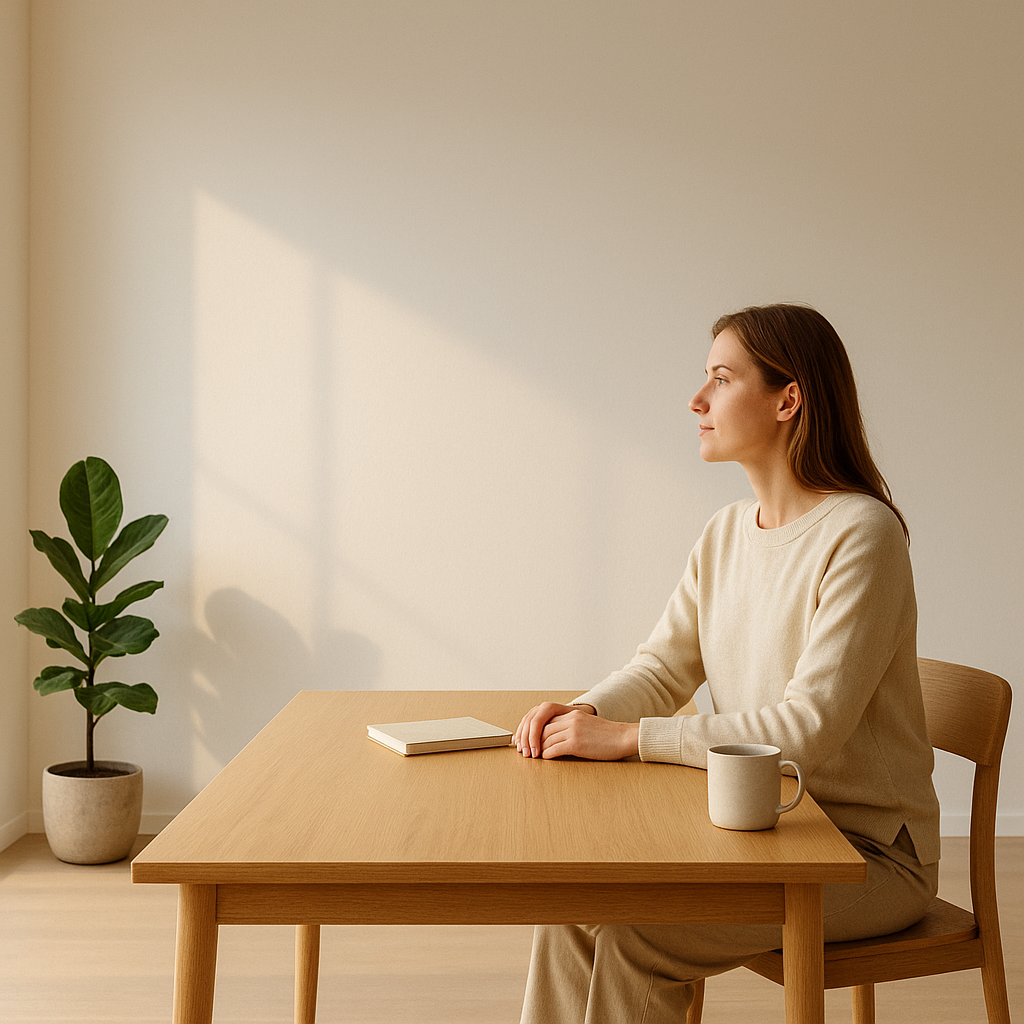
There’s a moment many people describe when they finally clear out a cluttered room — a kind of exhale, like the space itself is breathing again. It’s not just aesthetic satisfaction. Something shifts mentally, too. That feeling isn’t accidental, and it isn’t just tidying-up satisfaction. It’s the beginning of what minimalist living can genuinely do for the mind.
Minimalism gets a bad reputation in some circles — associated with stark white apartments, expensive “capsule wardrobes,” or a certain kind of performative simplicity that feels more like a lifestyle brand than a real way of living. But stripped of the Instagram aesthetics, the core idea is remarkably practical: own and commit to less so you can focus on what actually matters. And the mental health research behind it is more compelling than most people realize.
What Does Minimalism Actually Mean?
Before diving into the psychological side, it’s worth being clear about what minimalism means in a lifestyle context — because it’s often misunderstood.
Minimalism isn’t about owning a specific number of items, punishing yourself for enjoying things, or living like a monk. At its heart, it’s about intentionality — being deliberate about what you allow into your physical and mental space. It means asking, “Does this add value to my life?” rather than accumulating things out of habit, social pressure, or emotional avoidance.
A 2019 study published in the Journal of Positive Psychology found that people who described themselves as minimalists reported higher levels of life satisfaction and lower levels of anxiety compared to those who didn’t practice intentional consumption. The researchers noted that the relationship wasn’t purely about having fewer possessions — it was about the sense of control and autonomy that intentional living creates.
The Psychology Behind Clutter and Mental Load
To understand why minimalism works mentally, it helps to understand what clutter actually does to the brain. Researchers at Princeton University found that physical clutter competes for your attention even when you’re not consciously aware of it. Every object in your visual field is a low-level demand on your cognitive resources — your brain is constantly, subtly processing the environment around you.
This is sometimes called cognitive load, and it’s exhausting in ways that are hard to pin down. You might sit down to work and feel distracted without knowing why. You might feel vaguely anxious in your own home. You might struggle to relax because the space around you is sending constant low-frequency signals of “there’s stuff to deal with.”
Clutter has also been linked to elevated cortisol levels — the primary stress hormone. A UCLA study that tracked families in their homes found that mothers’ cortisol levels were significantly higher in homes described as cluttered or full of unfinished projects. The effect was measurable and consistent. The physical environment was directly influencing biological stress responses.
Decision Fatigue and the Minimalist Solution
One of the lesser-discussed mental benefits of minimalism is its impact on decision fatigue. Every decision you make — no matter how small — draws on a finite pool of mental energy. What to wear, what to eat, which of the seventeen apps on your phone to open first — these micro-decisions add up.
This is why many high-performing people famously simplify their wardrobes and routines. Barack Obama, Steve Jobs, and Mark Zuckerberg have all spoken about wearing essentially the same thing daily to eliminate trivial decisions. It sounds eccentric until you understand the cognitive science behind it: preserving decision-making capacity for things that actually matter.
Minimalism extends this logic beyond clothing. When you own fewer things, you make fewer decisions about them — where to store them, whether to repair or replace them, where they are when you need them. The cumulative cognitive relief this creates is significant.
Mental Clarity: What It Looks Like in Practice
Mental clarity is one of those phrases that sounds vague until you experience its absence. It’s the difference between sitting down to think and actually being able to think — versus sitting down and feeling a foggy, scattered restlessness that makes focused thought nearly impossible.
People who adopt minimalist practices consistently report improvements in:
- Focus and concentration — fewer visual and mental distractions mean deeper, more sustained attention
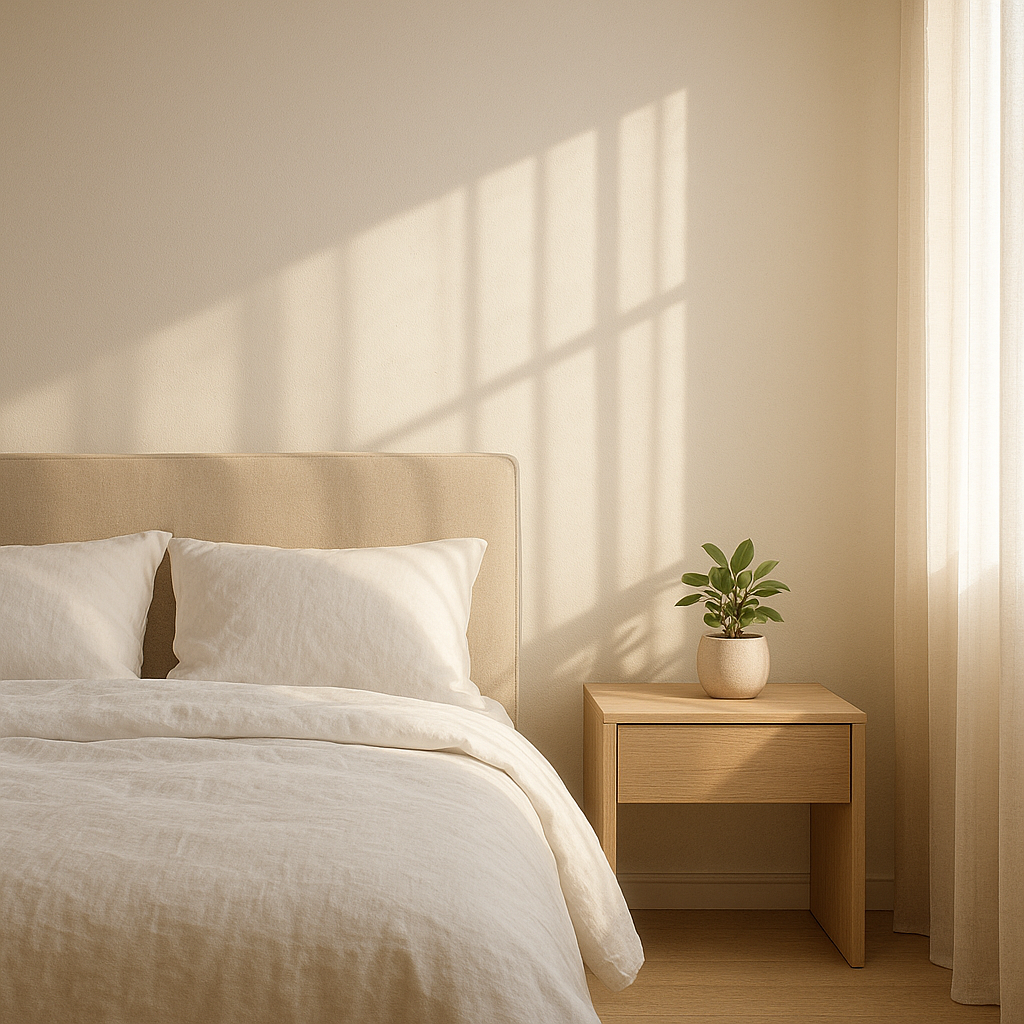
- Sleep quality — a calmer, less cluttered bedroom environment has been linked to better sleep in multiple studies
- Emotional regulation — less reactive decision-making when you’re not operating under constant low-level stress
- Creative thinking — open, uncluttered spaces have been shown to support divergent thinking and problem-solving
- Sense of control — feeling organized and intentional in your environment translates to a stronger internal locus of control
It’s worth noting, though, that these benefits aren’t automatic or universal. Mental health researchers are careful to point out that minimalism is a tool, not a cure. For people dealing with depression, anxiety disorders, or trauma, decluttering alone isn’t treatment. In some cases, the pressure to “get organized” can itself become a source of anxiety or shame.
The Scientific Benefits of Minimalism Beyond Mental Health
The research on minimalism extends into financial well-being and overall happiness in ways that reinforce the mental health findings.
A 2021 paper published in the Journal of Consumer Psychology examined the relationship between minimalist consumption and subjective well-being. The findings were consistent: people who practiced mindful, reduced consumption reported higher happiness levels, lower financial stress, and a stronger sense of personal identity that wasn’t tied to material goods.
Financially, the connection makes intuitive sense. Buying less means spending less. Spending less means less financial stress. And financial stress is one of the most significant contributors to anxiety and relationship strain in modern life. A study by the American Psychological Association consistently lists money as one of the top sources of stress for Americans — minimalism, in this sense, is a financial health strategy as much as a mental one.
Minimalism and the Environment You Create
There’s also an environmental dimension to minimalism that feeds back into mental well-being. Living with less means producing less waste, making more considered purchases, and often developing a deeper appreciation for the things you do own. This alignment between values and behavior — what psychologists call value congruence — is strongly associated with psychological well-being.
When what you own and how you live reflects what you actually care about, there’s less internal friction. You’re not constantly navigating a gap between your values and your habits. That coherence is quietly but profoundly stabilizing. In fact, this kind of intentional self-development often ripples outward in ways that extend well beyond your living space.
Common Objections to Minimalism (And What the Research Says)
Doesn’t Minimalism Require Privilege?
This is a legitimate and often-raised critique. The aesthetic of minimalism — clean lines, quality basics, intentional purchases — can be expensive. Buying one high-quality item instead of several cheap ones requires upfront capital that not everyone has.
It’s a fair point, and minimalism’s cultural presentation does often skew toward a particular socioeconomic bracket. But the practice of minimalism — using what you have, avoiding impulse purchases, clearing out what doesn’t serve you — is accessible at any income level. The psychological benefits of a less cluttered, more intentional life don’t require expensive furniture or a lifestyle rebrand.

Can Minimalism Actually Be Harmful?
In some contexts, yes. Mental health professionals note that when minimalism becomes compulsive — driven by anxiety rather than intention — it can tip into a form of behavioral avoidance or even obsessive thinking. The goal is freedom from excess, not the stress of maintaining a perfect sparse environment.
There’s also the social dimension: shared living with partners, children, or roommates means one person’s minimalism is another person’s deprivation. Forcing minimalism on others in a household, or using it as a form of control, defeats the entire purpose.
How to Start: Practical Steps That Actually Work
For those curious about trying minimalist living, the most effective approach tends to be gradual and grounded in personal values rather than aesthetic ideals.
- Start with one space — a desk, a drawer, or a single room. Notice how you feel after clearing it out. Let the effect guide you rather than a checklist.
- Ask better questions — instead of “does this spark joy?” try “does this earn its place in my life?” It reframes the exercise around function and intentionality.
- Audit your digital life too — app overload, notification bombardment, and email clutter create the same cognitive load as physical mess. Digital minimalism is increasingly important.
- Be honest about aspirational items — the exercise equipment you don’t use, the hobby supplies for a hobby you haven’t started. These objects carry guilt, not potential.
- Slow down consumption — minimalism is as much about what you bring in as what you clear out. The 30-day rule (waiting 30 days before buying something non-essential) is a practical way to reduce impulse buying.
- Focus on routines, not just objects — a minimalist mindset applied to your schedule — fewer commitments, more white space — delivers many of the same mental benefits as decluttering physical space.
The Honest Picture: What Minimalism Won’t Fix
It would be dishonest to write about minimalism’s benefits without naming its limits clearly. A tidy home doesn’t resolve a difficult relationship. Owning fewer things doesn’t treat clinical depression. Financial stress can’t be solved by decluttering alone if the underlying income issues remain.
What minimalism can do is reduce unnecessary friction — the low-level, accumulated friction of a life filled with more than it needs. That reduction creates space. What you do with that space is still entirely up to you.
For some people, that space becomes room for deeper relationships, creative work, or genuine rest. For others, clearing external clutter makes it harder to avoid internal clutter — the thoughts and feelings that accumulated possessions and busyness were keeping at bay. In those cases, working through unresolved emotions might be the more important next step, and minimalism might be the beginning of a more important conversation, not the end of one.
Conclusion
Minimalist living isn’t a cure-all, a trend to perform, or a philosophy that requires perfection. At its most useful, it’s a practical approach to reducing unnecessary cognitive load, creating more intentional spaces, and aligning daily life more closely with personal values. The science behind it — from cortisol studies to consumer psychology research — consistently points toward real, measurable benefits for mental clarity, emotional well-being, and financial health.
The mental clarity that minimalism creates isn’t mysterious. It comes from giving the brain fewer unnecessary things to process, fewer low-stakes decisions to make, and fewer environmental signals of disorder to quietly manage. In a world that keeps offering more — more options, more notifications, more stuff — the deliberate choice to want and keep less turns out to be a surprisingly powerful act of self-care.