
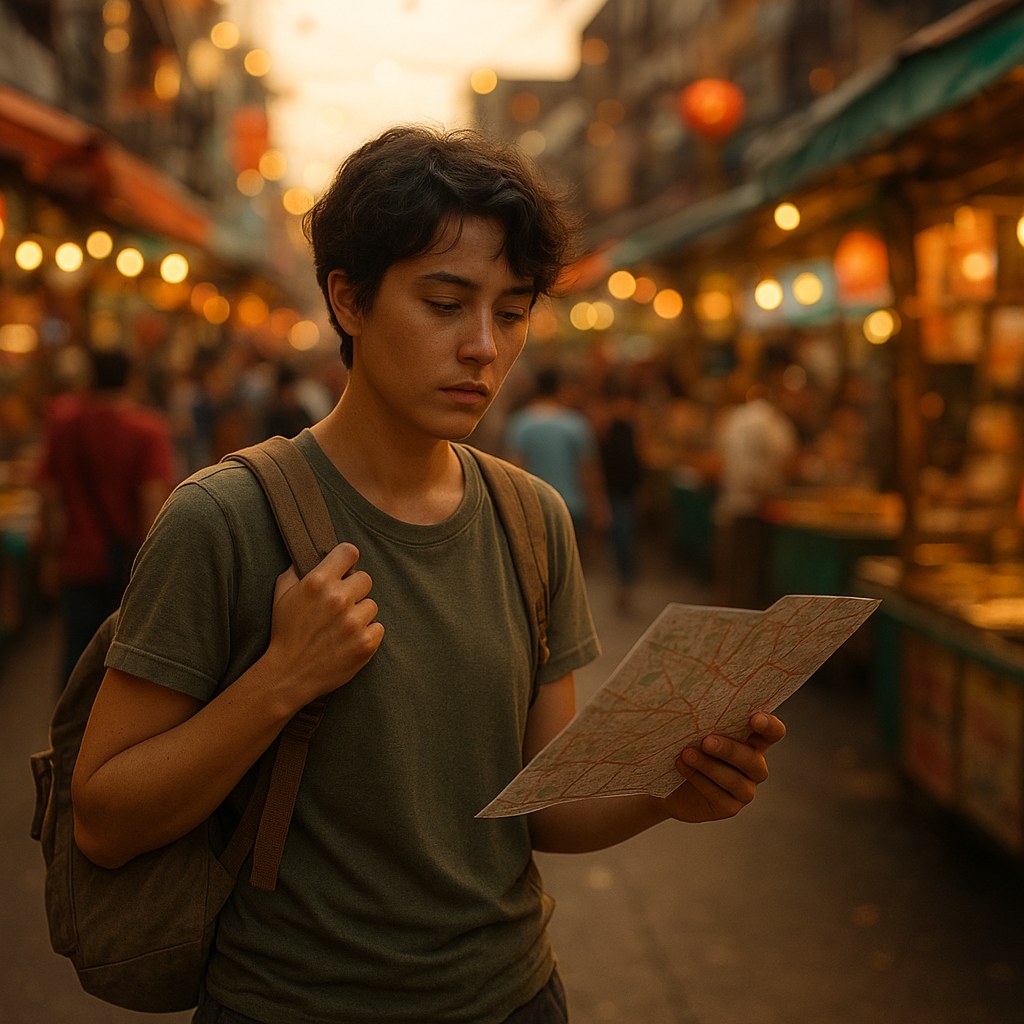
You’ve been traveling for three months now. The initial excitement has worn off, and suddenly you find yourself irrationally angry about something small—maybe it’s how people queue (or don’t), or the way stores close at unexpected hours, or simply the fact that nobody makes your coffee the way you like it. Welcome to culture shock, the uninvited travel companion that shows up precisely when the honeymoon phase ends.
Culture shock isn’t a sign of failure or weakness. According to research from the University of California, approximately 70% of long-term travelers experience significant adjustment challenges when living abroad for extended periods. For solo travelers, this experience can feel even more intense—you don’t have a familiar face to commiserate with when everything feels foreign and frustrating.
The good news? Culture shock is entirely manageable, and working through it often leads to the most profound personal growth you’ll experience on your journey. This guide will walk you through what to expect, why it happens, and practical strategies to not just survive but thrive during long-term solo travel.
Understanding Culture Shock: What It Actually Is
Culture shock is the psychological disorientation that occurs when you’re suddenly immersed in an environment with different cultural norms, values, and daily practices. It’s not just about language barriers or exotic food—it’s the cumulative effect of hundreds of small differences that your brain must constantly process and navigate.
Anthropologist Kalervo Oberg first coined the term in 1954, identifying four distinct stages that most people experience. Understanding these stages can help you recognize what you’re going through and remind yourself that it’s temporary and completely normal.
The Four Stages of Culture Shock
The Honeymoon Stage typically lasts from a few days to several weeks. Everything feels exciting and new. You’re captivated by the differences, eager to try new foods, and thrilled by unfamiliar customs. This is when your Instagram posts are most enthusiastic.
The Negotiation Stage is where culture shock really kicks in. Differences that seemed charming now feel frustrating. You might experience anxiety, homesickness, irritability, or even physical symptoms like disrupted sleep or appetite changes. According to a study published in the International Journal of Intercultural Relations, this stage typically peaks around three to nine months into a long-term stay.
The Adjustment Stage brings gradual relief. You develop routines, understand cultural cues better, and start feeling more comfortable navigating daily life. The constant mental fatigue begins to lift as your brain adapts to the new patterns.
The Adaptation Stage doesn’t mean you’ve “gone native” or abandoned your own culture. It means you’ve developed bicultural competence—you can move fluidly between cultural contexts, appreciating differences without feeling threatened by them.
Why Solo Travelers Experience Culture Shock Differently
When you’re traveling alone, culture shock takes on unique dimensions. There’s no one to turn to and say, “Is this normal?” or “Did you see that too?” You’re processing everything through your own cultural lens without immediate reality checks from someone who shares your background.
Research from the Journal of Travel Medicine suggests that solo travelers report higher initial stress levels but often develop stronger coping mechanisms and cultural sensitivity over time. The intensity of solo experience forces deeper engagement with local culture—you can’t retreat into conversations with a travel companion from home.
Additionally, decision fatigue compounds culture shock for solo travelers. Every choice—from where to eat to how to navigate public transportation—rests solely on your shoulders. When you’re simultaneously managing cultural navigation and complete logistical independence, exhaustion is natural.
Practical Strategies for Managing Culture Shock
Knowing that culture shock is normal doesn’t make it less uncomfortable. Here are actionable strategies that actually work when you’re in the thick of it.
Maintain Some Routines From Home
Complete immersion sounds romantic, but your brain needs anchors of familiarity. If you always had morning coffee while reading, keep that ritual—even if the coffee tastes different and you’re reading on your phone in a guesthouse in Vietnam. These small consistencies provide psychological stability when everything else feels uncertain.
Don’t feel guilty about seeking comfort foods occasionally or watching a show from home. Balance is key: dedicate specific time to familiar comforts, then venture back out to engage with your host culture.
Create Structure in Unstructured Time
Long-term travel often means loose schedules, which sounds freeing but can intensify disorientation. Create your own structure: designate specific days for certain activities, establish a work routine if you’re a digital nomad, or commit to a regular exercise schedule.

Studies on expatriate adjustment show that people who maintain structured routines report 40% lower stress levels during cultural transitions. The predictability of personal routine provides a counterbalance to cultural unpredictability.
Build a Support Network (Yes, Even as an Introvert)
You don’t need to become a social butterfly, but connection matters. Join local expat groups, attend language exchange meetups, or connect with other travelers through coworking spaces. Even brief, regular social interactions significantly reduce feelings of isolation.
Online communities count too. Video calls with friends or family back home provide emotional support, but set boundaries—constant connection to home can prevent full engagement with your present environment.
Learn the Language (At Least the Basics)
Language barriers amplify culture shock exponentially. You don’t need fluency, but learning key phrases demonstrates respect and opens doors. Research from Cambridge University shows that travelers who learn basic local language skills report feeling 60% more confident and connected to their host culture.
Apps like Duolingo or Memrise make learning accessible, but nothing beats practicing with locals. Most people appreciate the effort, even if your pronunciation is terrible.
Common Challenges and How to Handle Them
Let’s address specific situations that trigger culture shock for long-term solo travelers.
When Everything Feels Illogical
You’ll encounter practices that seem inefficient or nonsensical through your cultural lens. Maybe appointments are merely suggestions, or directness is considered rude, or personal space norms are completely different. Before judging, ask yourself: “What underlying value or historical context might explain this?”
Cultural practices developed for reasons, even if they’re not immediately apparent. Approaching differences with curiosity rather than judgment transforms frustration into learning opportunities.
Dealing with Loneliness and Homesickness
Missing home doesn’t mean you’re failing at travel. It means you have meaningful connections worth missing. Schedule regular check-ins with loved ones, but also create a “comfort kit”—photos, favorite snacks, or a playlist that grounds you.
When loneliness hits, resist the urge to isolate further. Push yourself to one small social interaction, even if it’s just chatting with a café owner or joining a group walking tour.
Managing “Cultural Fatigue”
Your brain works overtime when navigating unfamiliar cultural terrain. Constant code-switching—adjusting your behavior, interpreting new social cues, processing foreign languages—is mentally exhausting. This is completely normal.
Build in “cultural rest days” where you minimize new stimuli. Stay in familiar surroundings, eat comfort food, watch movies in your native language. This isn’t giving up; it’s necessary recovery that allows you to re-engage more fully later.
When to Seek Professional Support
Culture shock is normal, but sometimes it crosses into territory requiring professional help. If you’re experiencing persistent depression, severe anxiety, inability to function in daily activities, or thoughts of self-harm, reach out to a mental health professional.
Many therapists now offer online sessions, making support accessible regardless of location. Organizations like the International Association for Medical Assistance to Travelers (IAMAT) can help locate English-speaking mental health providers abroad.
There’s no shame in seeking support. In fact, recognizing when you need help demonstrates self-awareness and strength, not weakness.
How Long Does Culture Shock Last?
There’s no universal timeline—everyone adjusts differently based on personality, previous travel experience, cultural distance, and individual circumstances. Generally, acute culture shock symptoms ease within three to six months, but full adaptation can take a year or longer for significant cultural differences.

The process isn’t linear. You might feel fully adjusted, then have a difficult day that sends you spiraling back to frustration. This two-steps-forward-one-step-back pattern is completely normal and doesn’t mean you’re regressing.
Reverse Culture Shock: Coming Home
Here’s something nobody warns you about: returning home after long-term travel often triggers reverse culture shock. You’ve changed, but home hasn’t (or it has, without you). Friends’ lives have moved forward, your perspectives have shifted, and suddenly your own culture can feel foreign. Just as family boundaries shift during major transitions, your relationships may need recalibration as you reintegrate.
Studies show that reverse culture shock can be more challenging than initial culture shock because it’s unexpected. You expect adjustment difficulties abroad, not at home. Prepare for this transition by staying connected to home during travels, journaling about your experiences to process changes, and connecting with other returned travelers who understand.
The Hidden Gifts of Working Through Culture Shock
While culture shock feels uncomfortable, pushing through it develops invaluable life skills. You become more adaptable, resilient, and culturally intelligent. You learn to sit with discomfort, question your assumptions, and see your own culture with fresh eyes.
Research from the Harvard Business Review found that people who successfully navigate extended international experiences demonstrate enhanced creativity, problem-solving skills, and cognitive flexibility. The very challenge of culture shock forges these capabilities.
Solo travelers who work through culture shock often report increased confidence, self-reliance, and a more nuanced worldview. These aren’t just travel skills—they’re life skills that enrich every aspect of your personal and professional future.
Frequently Asked Questions About Culture Shock
Is culture shock the same as homesickness?
Not quite. Homesickness is missing people and places from home, while culture shock is the broader disorientation from navigating different cultural norms. You can experience one without the other, though they often overlap. Homesickness tends to come and go in waves, while culture shock is more persistent until you adjust.
Can you experience culture shock in countries similar to your own?
Absolutely. Sometimes culture shock hits harder in seemingly similar countries because you expect familiarity. An American in Australia might experience more unexpected friction than in Japan, where differences are anticipated. Even within the same language, cultural norms around communication, time, and social interaction vary significantly.
Does culture shock ever completely go away?
The intense, disorienting phase passes, but cultural adjustment is ongoing. Even long-term expats occasionally encounter moments of friction or confusion. The difference is that with experience, you develop better coping strategies and perspective to navigate these moments without spiraling.
Should I push through or take a break when culture shock feels overwhelming?
Both. Pushing through challenges builds resilience, but knowing when to step back prevents burnout. Listen to your needs—if you’re completely depleted, taking a “cultural rest day” isn’t failure. If you’re avoiding all local interaction, gentle self-encouragement to engage is healthier than complete withdrawal.
Moving Forward With Confidence
Culture shock during long-term solo travel isn’t a problem to solve—it’s a natural process to navigate. The discomfort you feel is evidence that you’re genuinely engaging with difference, not skimming the surface as a perpetual tourist.
Remember that millions of travelers have walked this path before you. The frustration, loneliness, and confusion you might feel are shared experiences that connect you to a global community of people who’ve chosen the discomfort of growth over the comfort of familiarity.
Be patient with yourself. Celebrate small victories—successfully navigating public transportation, having a conversation in a new language, or simply making it through a challenging day. These moments accumulate into genuine cultural competence and personal transformation.
The skills you’re developing right now—adaptability, resilience, cultural sensitivity, self-reliance—will serve you long after you’ve unpacked your bags. Culture shock is temporary, but the growth it catalyzes is permanent. Trust the process, be kind to yourself, and know that on the other side of this discomfort lies a more capable, confident, and culturally aware version of yourself.