
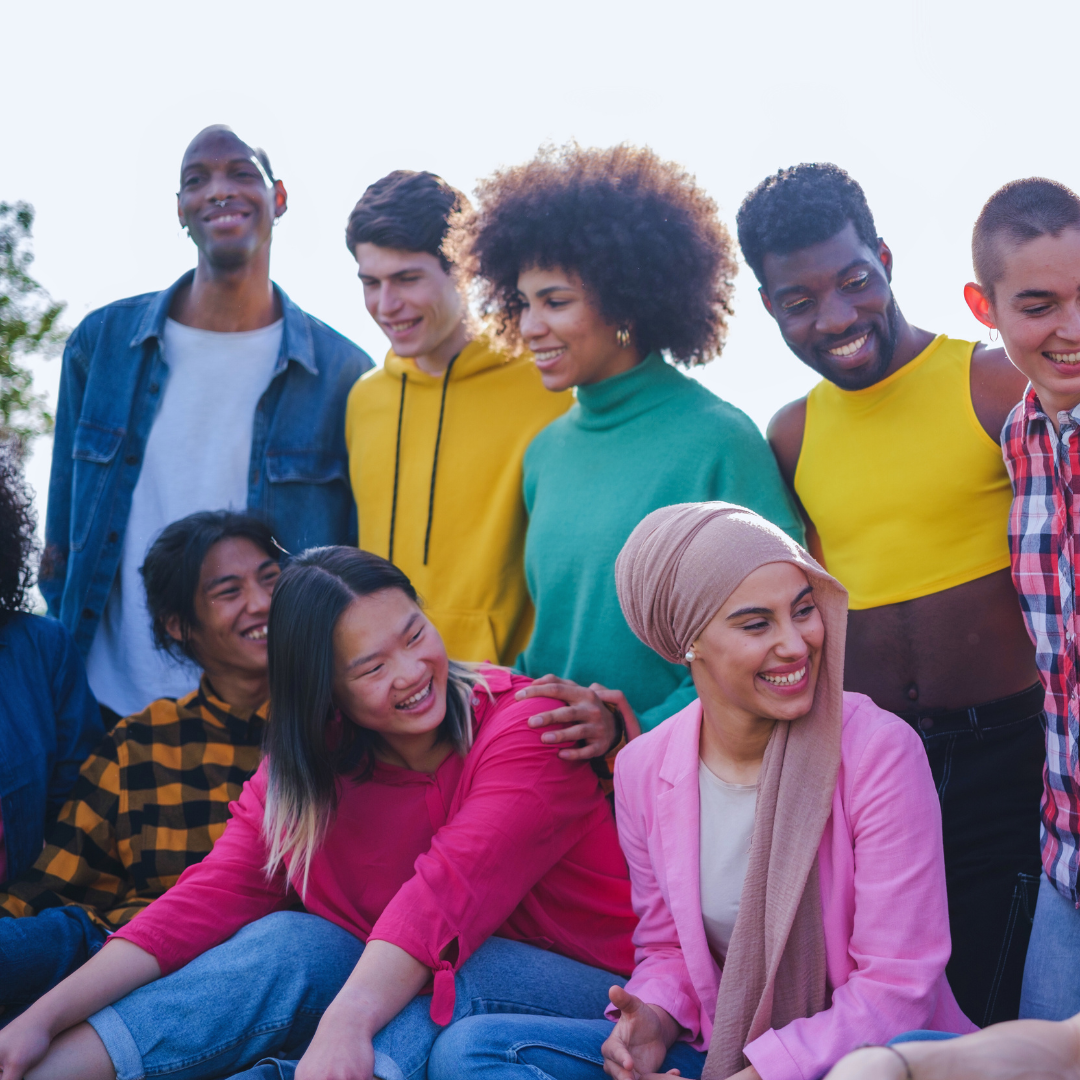
Cultural distance often reveals itself in small, everyday moments that might seem insignificant at first. It can feel like a subtle disconnect when a casual joke doesn’t land or when conversational norms clash during simple interactions. These moments highlight how deeply culture shapes the way people interpret the world around them.
Cultural distance feels like a gap in understanding that emerges from different habits, expressions, or expectations, making ordinary experiences feel unfamiliar or awkward. This gap is not always obvious, but it affects how people connect through daily routines, gestures, and social cues.
Whether it’s navigating a shared workspace, ordering food, or exchanging greetings, these routine acts can expose the unseen differences in cultural backgrounds. Recognizing these moments helps explain why everyday life can sometimes feel unexpectedly distant or disjointed.
Experiencing Cultural Distance in Daily Life
Cultural distance manifests in simple but telling ways. It appears when behaviors and expectations don’t align, revealing differences in norms, personal space, and language that shape everyday interactions. These factors influence how comfortable or disconnected someone feels within a society.
Moments Where Cultural Norms Clash
Cultural norms guide everyday behavior, but they vary widely across societies. For example, in Brazil, casual physical touch like hugging and cheek-kissing is common in greetings. In contrast, someone from a culture with more reserved social customs may feel uncomfortable or perceive this as intrusive.
Different attitudes toward time also cause friction. Being late might be normal in some places, but disrespectful in others. These mismatches can create tension in meetings, social settings, and public spaces.
Understanding that cultural norms influence behavior helps explain why such clashes happen. It is not conflict but a difference in expectations based on upbringing and social context.
The Role of Personal Space in Cultural Distance
Personal space preferences vary greatly around the world and affect how cultural distance is felt physically. In Brazil, people tend to stand closer during conversations compared to societies with higher personal space requirements.
When someone from a culture that values larger physical distance encounters closer proximity, it may trigger discomfort or anxiety. This gap in unspoken rules highlights the invisible boundary shaped by culture.
Personal space also affects body language signals. Misreading these cues can reinforce feelings of cultural distance, as people may unintentionally invade or retreat based on differing comfort levels.
Language Barriers in Everyday Situations
Language differences are a clear and constant reminder of cultural distance. Daily tasks like shopping, asking for directions, or using public transportation become challenging when language skills are limited.
Even simple exchanges can lead to misunderstandings or impatience. This hampers social integration and can cause feelings of isolation or frustration.
Nonverbal communication helps bridge some gaps, but is often insufficient when grammatical structure, slang, or tone differ. In Brazil, for instance, Portuguese expressions and local idioms may not translate easily, deepening the cultural gap even further.
Social Interactions Shaped by Culture
Cultural differences influence the way individuals relate to others in daily life. These differences affect family roles, interpretations of body language, and the way people respond to assumptions or stereotypes during conversations.
Family Dynamics and Generational Gaps
In many societies, family structures are central to social life, but expectations within families vary widely. For example, some cultures emphasize respect and authority of the elderly, requiring younger members to show deference. In contrast, other cultures encourage more egalitarian relationships between generations.
Generational gaps often highlight these cultural contrasts. Elders may prioritize tradition and collective well-being, while younger members lean toward independence and personal goals. These differences can cause tension but also offer opportunities for intercultural communication and learning within families.
Nonverbal Cues and Body Language
Nonverbal communication differs across cultures in ways that significantly impact social interactions. A gesture considered polite in one culture may be offensive in another. For instance, direct eye contact is valued in Western societies as a sign of attentiveness, whereas some Asian cultures view prolonged eye contact as disrespectful.
Other nonverbal cues like personal space, facial expressions, and touch vary widely. Misreading these signals can create misunderstandings. Active listening includes being sensitive to these differences, which helps navigate intercultural encounters more effectively.
Stereotypes and Assumptions in Conversation
Stereotypes often shape initial impressions in intercultural communication. People may unconsciously apply generalized beliefs about a cultural group, influencing how they listen and respond. Such assumptions can limit genuine understanding and reinforce social divides.
Breaking these patterns requires conscious effort to recognize and challenge stereotypes during active listening. Asking open-ended questions and showing curiosity can reduce bias. The influence of stereotypes is especially notable in diverse societies where frequent cross-cultural interactions occur.
Navigating and Bridging Cultural Distance
Understanding differences in culture requires active effort and practical approaches. It involves recognizing diverse perspectives, adopting inclusive behaviors, and engaging with cultural expressions that reflect varied experiences.
Building Cultural Awareness
Cultural awareness starts with recognizing one’s own cultural assumptions and biases. It involves learning about customs, communication styles, and values different from one’s own. This can avoid misunderstandings and foster respectful interactions.
Regular exposure to intercultural situations, such as meetings or social settings with people from diverse backgrounds, sharpens this awareness. Reflection on these encounters helps identify specific differences, like norms around eye contact or personal space, which often cause discomfort or confusion.
Training programs and workshops can also provide tools for recognizing subtle cultural cues. Building this awareness is essential for anyone navigating international or multicultural environments.
Strategies for Embracing Diversity
Embracing diversity means adopting attitudes and behaviors that value differences as strengths. Active listening and open-minded communication help reduce cultural distance by showing respect and curiosity.
Practical strategies include asking questions rather than assuming, avoiding stereotypes, and being patient with different communication paces or styles. Encouraging collaboration on diverse teams fosters mutual understanding and innovation.
Creating environments where all voices are heard and recognized—as in workplaces or classrooms—helps normalize cultural diversity. These strategies are effective in reducing barriers created by cultural distance and promoting inclusive relationships.
Arts, Cinema, and Everyday Representation
Arts and cinema offer tangible ways to bridge cultural gaps by showcasing stories and perspectives from varied backgrounds. They expose people to different ways of life and cultural values in accessible forms.
Films that portray authentic cultural experiences invite empathy and understanding. Visual arts, music, and literature also facilitate connections by reflecting cultural diversity in everyday life, challenging stereotypes.
Representation matters in shaping perceptions. Diverse portrayals in media contribute to a richer, more nuanced understanding of cultural differences. Engaging with arts and cinema thus plays a vital role in narrowing cultural distance beyond direct interaction.