
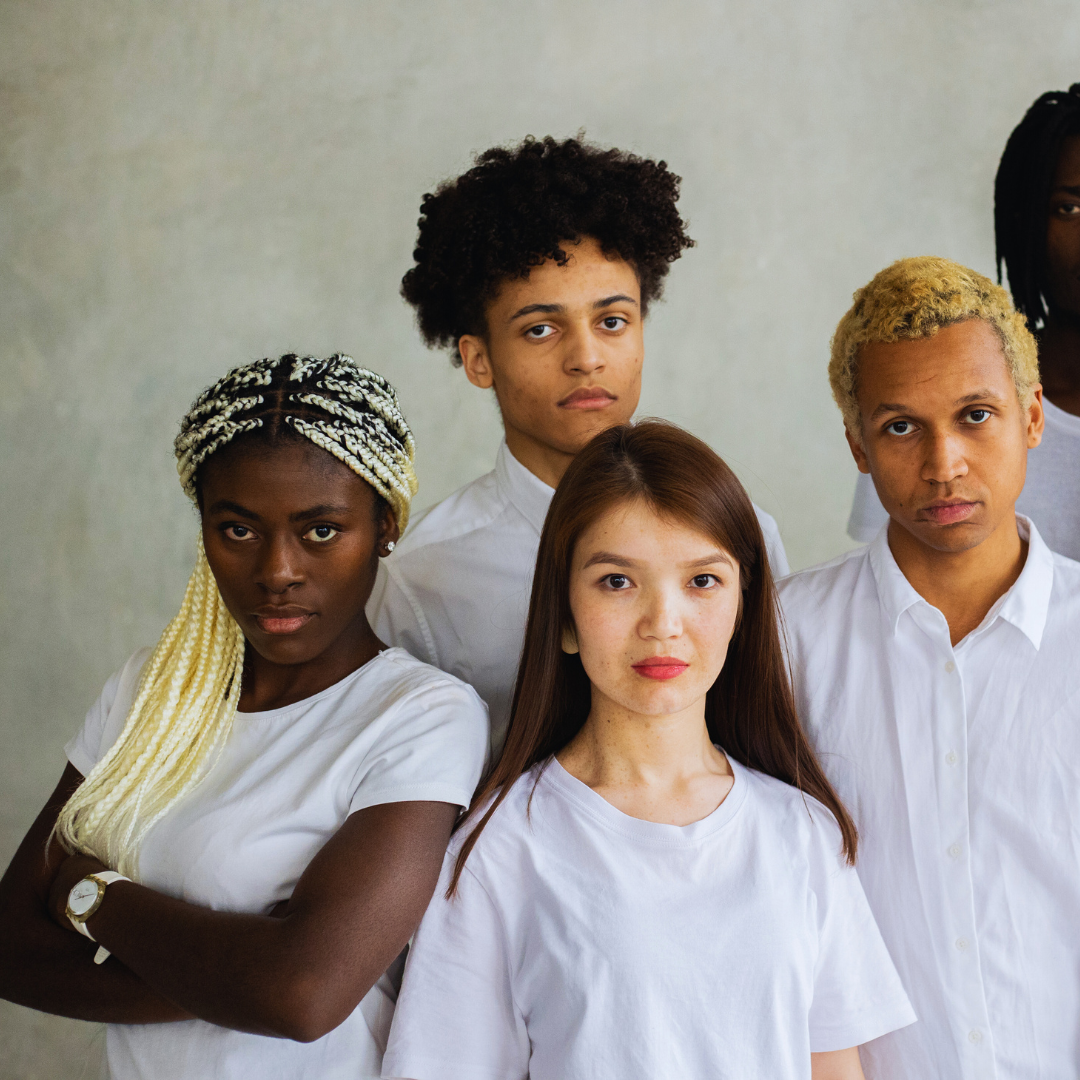
Celebrating cultural differences enriches communities and fosters understanding among individuals. Engaging with diverse traditions, cuisines, and celebrations allows people to appreciate the unique perspectives and histories that each culture brings. This creates a more inclusive environment where respect for diversity thrives.
Participating in cultural festivals or trying traditional foods can be a delightful way to immerse oneself in the heritage of others. Visiting local cultural events or museums enhances awareness and appreciation for the contributions of different cultures.
Sharing stories and experiences with friends or family can also promote dialogue and understanding, building bridges between different backgrounds. Each interaction becomes an opportunity to learn and grow, cultivating a sense of unity in diversity.
The Importance of Celebrating Cultural Differences
Recognizing and valuing cultural differences fosters a more inclusive society. It promotes respect and enhances collaboration across various communities, ultimately benefiting both individuals and organizations.
Enhancing Inclusivity and Mutual Respect
Celebrating cultural diversity creates an environment where everyone feels valued. When individuals appreciate different backgrounds, it cultivates mutual respect.
Workplaces thrive when they embrace inclusivity. Diverse teams contribute varied perspectives, leading to improved problem-solving and innovation. This respect transcends personal interactions and reshapes organizational cultures.
Moreover, cultural awareness education can reduce prejudice. Initiatives that promote understanding help dismantle stereotypes and foster harmony. Consequently, communities become more cohesive, as individuals learn to appreciate the richness of life’s various experiences.
Driving Creativity and Innovation
Cultural diversity is a powerful catalyst for creativity. When people from different backgrounds collaborate, they bring unique viewpoints that challenge conventional thinking.
Organizations that value diversity often see increased innovation. Varied perspectives lead to novel solutions, enhancing product development and market reach. This creativity can lead to competitive advantages in a global marketplace.
Furthermore, diverse ideas can inspire breakthroughs. Engaging with different cultures sparks new concepts and approaches that might not arise in homogeneous groups. Innovation flourishes in environments where individuals feel free to express their authentic selves.
Building a Cohesive Global Community
Celebrating cultural differences fosters a sense of global unity. In today’s interconnected world, understanding various cultures is crucial for effective communication and collaboration.
Developing a cohesive global community relies on mutual appreciation. People become better equipped to navigate challenges together when they recognize the value of diverse perspectives.
Initiatives that promote cross-cultural exchange can bridge gaps between communities. Programs such as cultural festivals or educational exchanges enhance understanding and facilitate relationships. Thus, strengthened connections emerge, contributing to global peace and cooperation.
Practical Ways to Celebrate Cultural Differences
Celebrating cultural differences can foster understanding and appreciation among diverse communities. Engaging in various activities allows individuals to experience and honor the richness of different traditions and histories.
Participating in Cultural Festivals and Events
Attending cultural festivals provides an immersive experience of the customs and practices of various communities. Events like Diwali, Chinese New Year, and Carnaval feature traditional music, dance, and cuisine, showcasing distinct cultural identities.
Local cultural organizations often host these festivals, enabling attendees to interact with community members. Participating in workshops and demonstrations during such events allows individuals to learn traditional crafts or culinary techniques, fostering a deeper connection to the culture.
Engaging in Cultural Exchange
Cultural exchange programs are a valuable way to experience different lifestyles firsthand. These initiatives typically involve travel, where individuals can live in another country and share their own culture with the locals.
Language exchange partnerships also facilitate meaningful interactions. By conversing with native speakers, participants can improve their language skills and gain insight into cultural nuances. This interaction encourages respect and understanding, enriching personal and collective experiences.
Exploring Music, Art, and Storytelling
Music, art, and storytelling are powerful media for celebrating cultural differences. Attending concerts that feature global music genres, such as Afrobeat or Bollywood, exposes individuals to the sounds and rhythms from around the world.
Art exhibits highlighting various cultural backgrounds can inspire dialogues about historical contexts and artistic traditions. Storytelling, whether through literature, theater, or oral traditions, preserves and shares cultural narratives that resonate across generations.
Engaging with these facets of culture promotes appreciation for diversity and fosters community connections, further bridging the gap between different groups.
Experiencing Cultures Through Food and Education
Engaging with diverse cultures can significantly enhance appreciation and understanding. Food and education serve as powerful tools in this journey, fostering connections and broadening perspectives.
Trying New Foods and Culinary Traditions
Exploring new foods is an enriching experience that allows individuals to engage with different culinary traditions. Tacos, for example, originate from Mexican cuisine and come in numerous variations, reflecting regional histories and flavors.
Participating in cultural events or food festivals can introduce people to diverse dishes like sushi, paella, or curry. Cooking classes focusing on international cuisines enable participants to learn authentic techniques and ingredients.
Key benefits of trying new foods:
- Promotes cultural exchange
- Encourages exploration of flavors
- Builds community connections
By sharing meals and recipes, individuals create lasting bonds and respect for various traditions.
Promoting Diversity in Education
Education plays a crucial role in fostering cultural awareness and sensitivity. Schools can implement curricula that highlight the importance of diverse cultures and contributions in history, art, and science.
Incorporating multicultural literature and resources into lessons helps students appreciate different perspectives. Class discussions centered around global issues encourage critical thinking and empathy.
Strategies for promoting diversity in education:
- Guest speakers: Invite individuals from diverse backgrounds to share their experiences.
- Cultural days: Host events that celebrate various cultures with presentations, performances, and food.
- Exchange programs: Facilitate opportunities for students to study abroad or connect with peers from different cultures.
Such efforts cultivate a more inclusive educational environment that values diversity.
Promoting Diversity and Inclusion in Communities and Workplaces
Promoting diversity and inclusion requires actionable steps that resonate throughout communities and organizations. It involves the implementation of inclusive policies and the need to address challenges such as resistance to change.
Encouraging Inclusive Policies and Practices
To foster an environment that embraces diversity, organizations must develop inclusive policies that reflect the values of diverse communities. These policies should focus on recruitment, retention, and promotion practices that prioritize a diverse workforce.
Key elements include:
- Fair Hiring Practices: Actively seeking candidates from underrepresented backgrounds.
- Training Programs: Implementing diversity training to educate employees about cultural competencies.
- Support Networks: Creating employee resource groups that provide support and facilitate engagement.
By ensuring all employees have equitable opportunities, organizations can better reflect the diversity of their communities.
Overcoming Resistance to Change
Implementing diversity initiatives often encounters resistance from various stakeholders. Recognizing the root causes of this resistance is critical for success.
Common barriers include:
- Fear of the Unknown: Change can generate anxiety among employees.
- Miscommunication: Lack of clear communication regarding the benefits of diversity can lead to misunderstandings.
To address these challenges, organizations should:
- Engage Leadership: Leadership must actively support and participate in diversity initiatives.
- Promote Open Dialogue: Encourage discussions that address concerns and highlight the positive impacts of inclusion.
By actively working to overcome resistance, organizations can establish a culture that values and promotes diversity.